Updated 16 July 2026
Nothing on this site changes anyone’s care.
There is no drug here and no treatment here. Nothing here can tell you your own risk. If you carry a Brugada variant, the protection is the plan you already have with your cardiologist — and if you have an implanted defibrillator, that device is the protection. Not this.
You can close the tab now having lost nothing. Everything else here is optional, which is what makes it honest.
The work is here.
The verdict isn’t.
One person is trying to answer one question: could a small molecule fix a specific broken part of a heart protein? Six weeks of simulation says maybe, and here is exactly how unsure I am. The machines are still running. Nothing has been proven, and the only thing that could prove it — a real experiment, in a real lab — hasn’t been done.
Some of it is probably wrong. That used to be a caption on this page. Now it’s the structure: every page below tells you what was found and why it might not hold.
4
fresh candidates gripping the clip after a 20-nanosecond test
11
queued for the long test that decides whether they stay
0
long tests finished in this round. Zero. It has only just started.
0
real-world experiments run. This is the number that matters.
A screening run is live and on its cycle 19. It has put 12 molecules through the short test: 4 grip and hold, 6 fall off, 2 grab on and then let go. None has been through the long test yet. What’s running →
What’s broken →
One letter changed in one gene, and a tiny clip inside a protein came undone. Start here.
The idea →
If a clip came undone, maybe something small can hold it shut. That’s the whole hypothesis.
The search →
How candidates get tested, and what the machines are chewing on right now — cycle 19.
What’s standing →
The compounds still on their feet, and an honest problem with how they were counted.
What died →
Including the one this project was built around. The failures are the point.
Methods →
Force fields, thresholds, seed counts, and the two stages that never ran.
Corrections →
Everything taken back, printed at the same size as the claim.
One experiment ends this, either way.
Everything here is a filter. The thing that would actually settle it is cheap and ordinary: put the broken protein in cells, add a candidate, and count how much reaches the cell surface. If nothing moves, the idea is wrong and this whole site is a well-documented dead end — which is still worth knowing, and still worth publishing.
If you run a cardiac ion-channel lab, or know someone who does — tu6788688@gmail.com. Nothing to sign, nothing to buy. The structures and protocols are here for the taking.
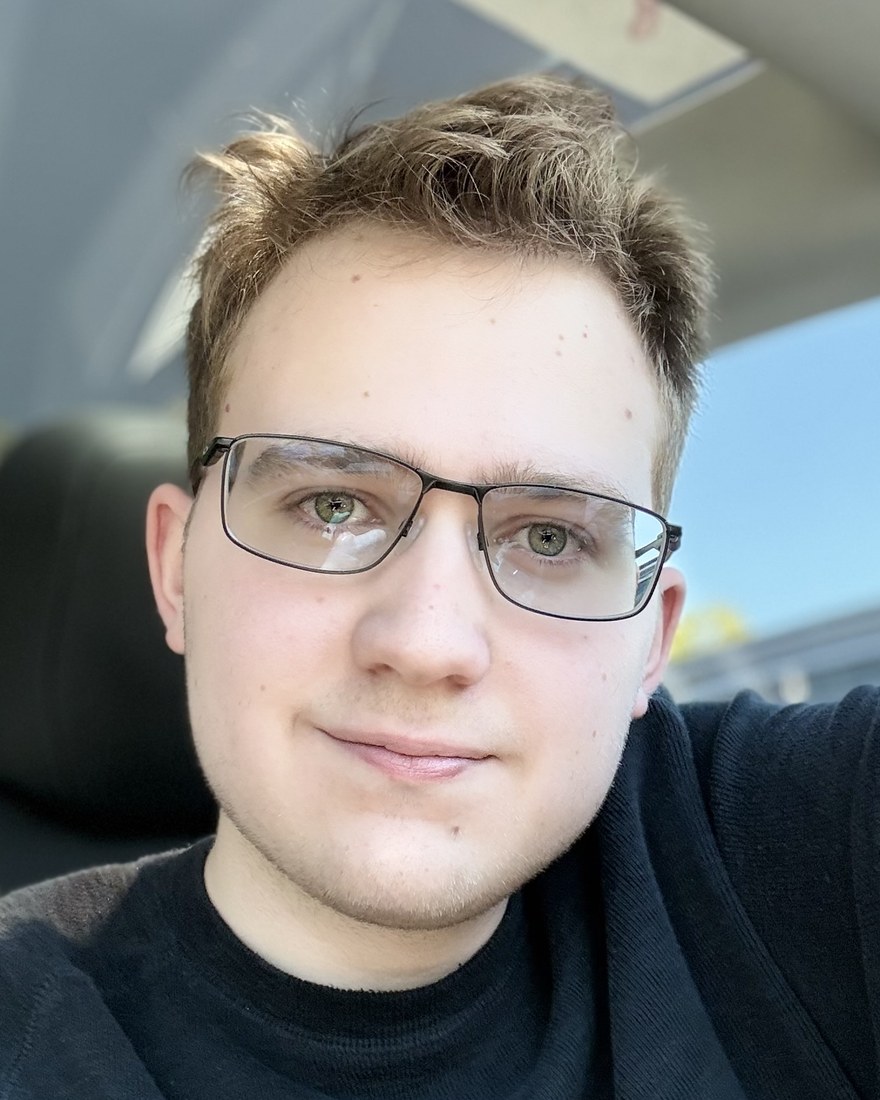
Ethan
Editor, sole proprietor, and only staff.
By day, a pharmacy technician at a high-volume CVS — four to five hundred prescriptions a day. By night, the person who did all of this. No institution, no grant, no lab. The hardware was bought on a pharmacy technician’s salary and lives in a house.
Conflicts: none. No financial interest in any compound named here.
Funding: none. Self-funded, nights and weekends.
Review: none. Nothing here is peer-reviewed. Errors are mine and are listed.
Patient data: 31 identifying clinical records exist in this project. Not one has ever been opened, and none is on this site.
“brugada.net is a personal research and compute project by Ethan, a pharmacy technician studying SCN5A / Brugada syndrome. If you’re a clinician, researcher, patient organization — or the Brugada family — and would put this name to better public use, email me and I’ll hand it over, no charge.”
Concretely: it transfers at cost, which is nothing. No terms, no attribution required, no conditions. One email starts it and I won’t argue. The offer doesn’t expire if this site gets good.
onwards.